 Phone:
 E-mail:


When using machines with steel track bases, to protect the road surface while also retaining the load-bearing capacity of the steel tracks, we usually choose to install rubber shoes or rubber pads on the tracks. Today, we will make the choice based solely on the material of the rubber pads.
Currently, the materials of rubber pads used for track bases on the market generally include rubber and polyurethane. So the core of the choice between these two is quite simple: in harsh working conditions, we aim for the longest service life, and prefer polyurethane; on slippery ground for operations, we need the maximum traction, then choose rubber first.
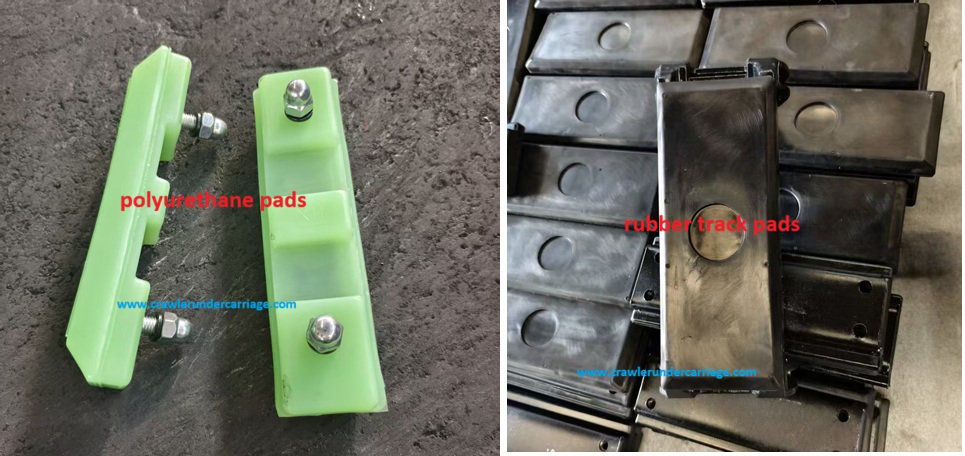
※ If you are seeking the longest service life and the strongest wear resistance: choose polyurethane (PU)
· The wear resistance of polyurethane is 3 to 10 times that of rubber, and its service life can be 2 to 3 times that of rubber.
· It is resistant to tearing and cutting, has strong bearing capacity, and is 2 times stronger than rubber. It is suitable for road milling machines and mining equipment in heavy-duty working conditions.
· It is resistant to oil and hydrolysis, does not age or crack easily, and has a wider working temperature range (-30°C to 80°C).
※ If the working environment is slippery or pavement protection is needed: choose rubber
· It has a softer texture and can provide stronger grip on wet or waterlogged slopes.
· It has better elasticity and can effectively absorb shocks to protect the chassis system.
· It causes less damage to the pavement and is suitable for pavers operating on asphalt, cement or brick road surfaces.
※ Cost considerations
· Initial purchase cost: Rubber is typically about 25% cheaper than polyurethane.
· Comprehensive usage cost: Although polyurethane has a higher initial investment (30% - 50%), its ultra-long service life can reduce the frequency of replacement and downtime, and in the long run, it may have a higher cost-effectiveness.
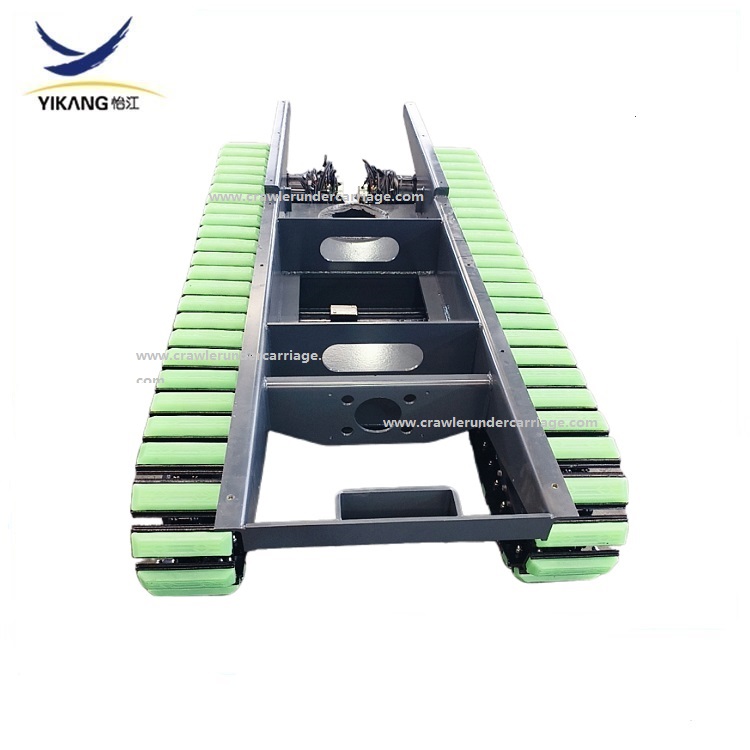
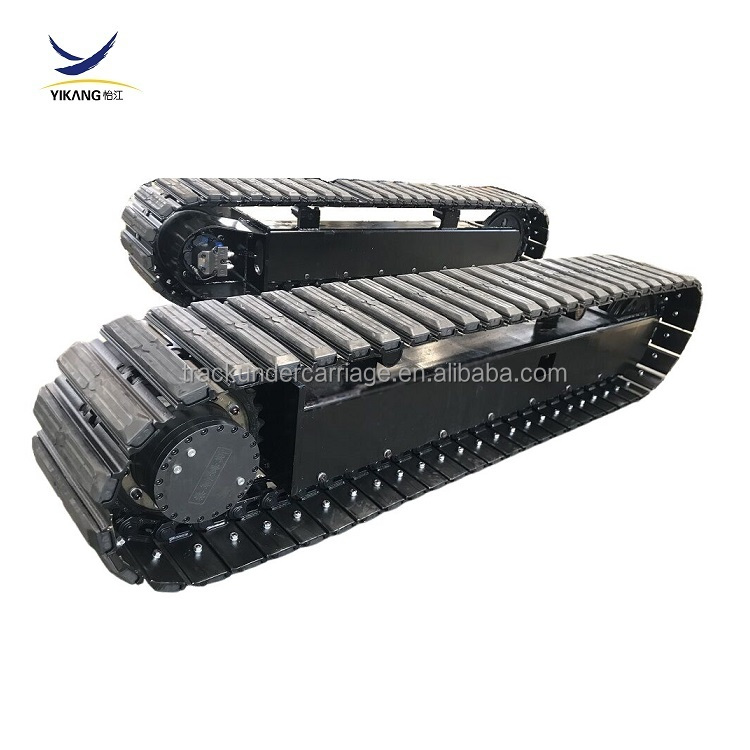
Here is an option to take the shortcut: You can first assess the working environment of the equipment.
· For harsh working conditions such as mines, tunnels, slopes, or machines with heavy self-weight, polyurethane (PU) is the preferred choice.
· For equipment that needs to handle slippery surfaces like wet roads or steep slopes, or for asphalt pavement operation machines such as pavers, rubber is the preferred option.
In summary, by determining whether you prioritize longevity (choosing polyurethane) or grip (choosing rubber), and considering the material selection of all components of the chassis as a whole, you can find the solution that best suits your operational needs!